Actor’s Toolbox
Learn how to sharpen the tools in your actor’s toolbox and develop your acting skills
Every actor has tools in their “Actor’s Toolbox” that they carry with them all the time and can use when they are acting. These tools include - their mind, their body, and their voice. Actors use these tools every time they are performing and creating a character. The ability to act is not something we are ‘just born with’, it is a skill that needs to be learnt and developed.
The Actor’s Toolbox will do a ‘deep dive’ into the why, how and when to use these tools to enhance your acting skills. Every student will develop their acting skills, knowledge and confidence. They will learn how to effectively utilise the tools at their disposal and keep those tools sharpened and ready to use.
Toolbox skills include:
Mind: imagination, creativity, memory, focus etc.
Body: mime, emotions, character stances, character walks etc.
Voice: Projection, tone, expression etc.
Characterisation: use the toolbox skills to create 3D characters
Stage Craft: How to move and talk on stage to enhance performance.
Students will learn and develop:
The tools they need to increase their acting skills and confidence.
A catalogue of acting techniques to draw on to enhance their acting skills.
A “warm up” repertoire to effectively warm up their mind, body and voice.
The ability to create believable, realistic 3-dimensional characters by developing the mental, physical and vocal aspects of their character.
Who are the Actor’s Toolbox classes for?
All students aged 10 – 17 years.
Beginning actors who are developing the building blocks of acting.
Experienced actors who want to sharpen the tools required to deliver a well-rounded performance.
Actor’s Mind
There are many ways of thinking that an actor can develop to help them with their acting. These include Concentration, Focus, Imagination, Observation, Trust, Cooperation, Creativity & Memory. Actors can practise and improve these skills to increase their acting skills. Actors can also develop the ‘mental aspect’ of a character, including their character’s personality, backstory, strengths, weaknesses, secrets and fears.
Actor’s Body
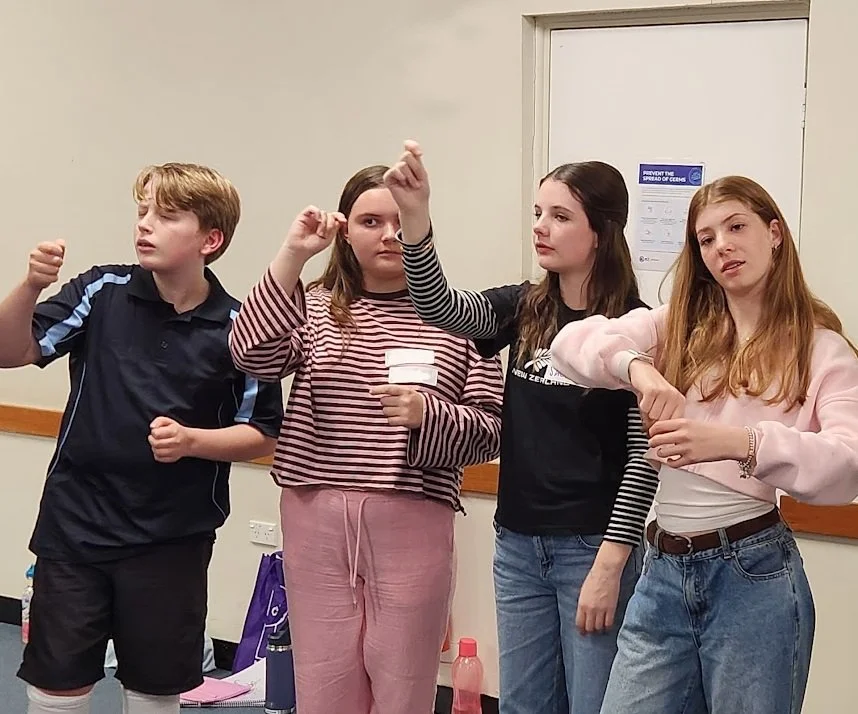
Actors can use their body to communicate with the audience. They need to use their bodies to give ‘clues’ to the audience about their character’s personality, mood and feelings. They can stand and walk in different ways, use mannerisms etc. They can communicate just using their body and facial expressions without using words or sounds (mime). Actors also need to learn how to warm up their bodies when they are going to act.
Actor’s Voice
Actors use their voices in different ways. Actors need to speak clearly and loudly on-stage. They project their voice (speak loudly) so that the audience can hear them. Actors will also change their voice and the way they speak when they are using a ‘character voice’. Actors need to warm up their voices when they are going to act.
Class Days and Time:
Term 3 & 4, 2027
2 hour sessions
Day and Time: TBA
Location:
89 - 91 Tennent Street, Fyshwick ACT
Note: Places are limited in each session to keep the class sizes small.
Price
$390 (including GST)
Concessions and payment plans available. Contact us at contact@childplayersact.net for details.
FAQs
What happens during a typical Actor’s Toolbox classes
1
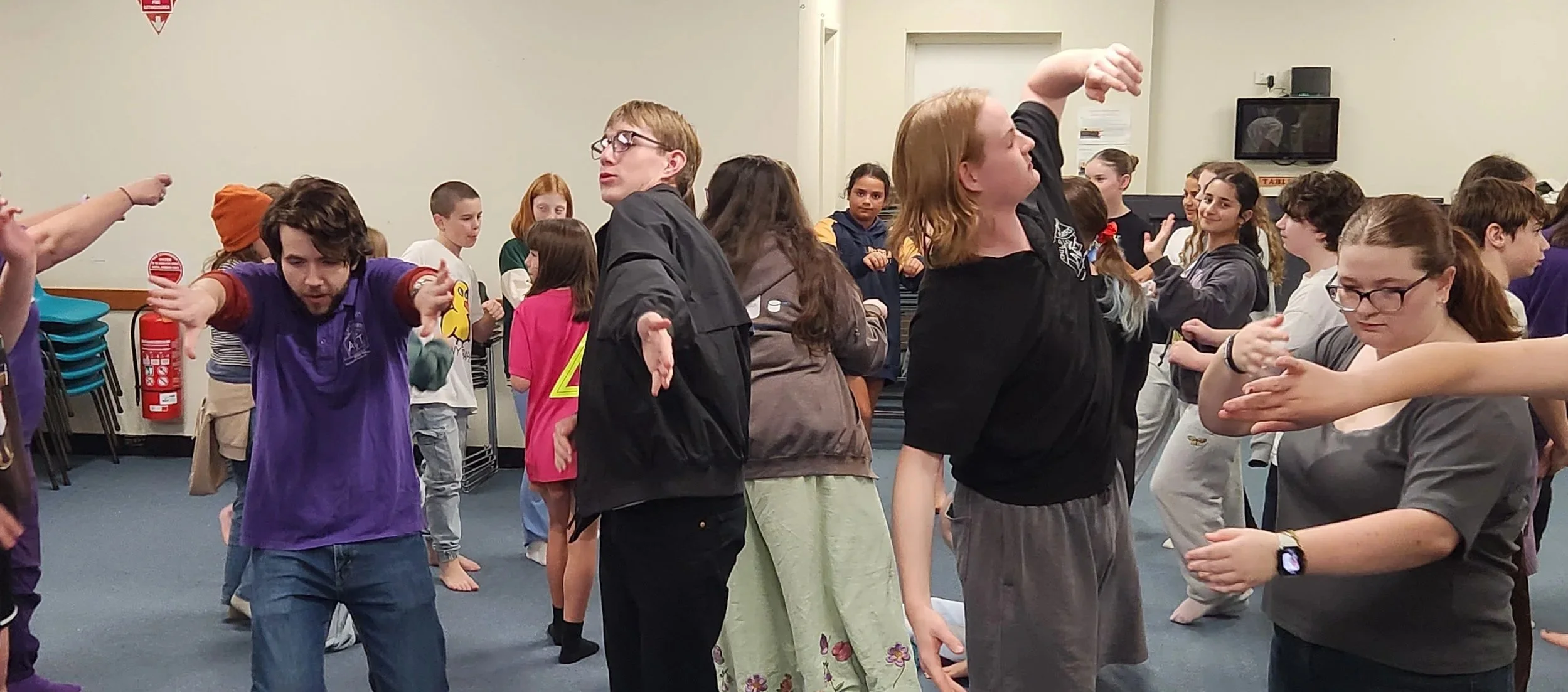
During the Actor’s Toolbox classes our theatre educators and directors will incorporate a variety of fun, engaging theatre exercises and drama activities that focus on each tool in the actor’s toolbox and why and how we can use these tools to create a character. Activities will include a combination of whole group, small group, partner and individual exercises.
Do I need to attend every week?
2
Yes. Each class will build on learnings from the previous class, so it is important to attend every class. Students can do a ‘make up’ class in the same week if they miss a class due to illness.